

San Francisco’s driverless taxis were already a subject of controversy. Then last week, the company Waymo confirmed that one of its autonomous vehicles (AVs) had struck and killed a cat in the Mission District.
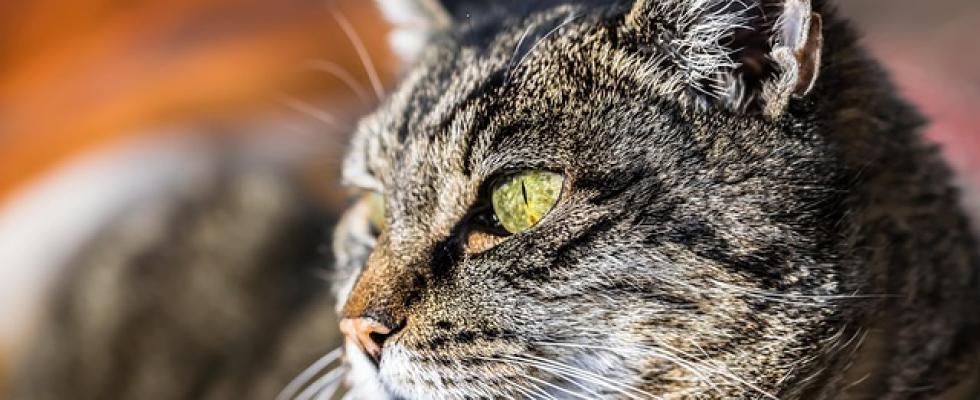
It wasn’t just any cat. KitKat belonged to 16th Street’s Randa's Market and had been a beloved fixture in the neighborhood for years.
"It was everybody's cat," neighbor Margarita Lawa told CBS. "Everybody loved KitKat."
An altar was set up to honor the friendly feline last Monday. People described him as sweet and affectionate — a bright spot in their daily routines.
Waymo apologized for the incident in a statement. But the company appeared to blame KitKat at the same time, insisting he “darted under our vehicle as it was pulling away.” Witnesses said that’s not what happened. The initial 311 caller reported that KitKat was on the sidewalk next to the transit lane when the autonomous vehicle approached abruptly.
“The Waymo didn’t even try to stop and hit the cat at a fast speed,” according to the 311 complaint.
Waymo is donating money to an animal welfare organization in KitKat’s honor. That likely won’t be enough to quell the scrutiny. KitKat’s death has re-ignited safety concerns about San Francisco’s autonomous vehicles, which were already in existence. The city fought to keep the technology off its streets. Residents are now calling on Waymo to increase its safety features to prevent another tragedy. San Francisco Supervisor Jackie Fielder plans to ask the state for more local control over AVs, so that localities can decide how they want to govern and regulate the technology in their communities.
While every AV mishap makes headlines, defenders of the technology say autonomous vehicles are statistically safer for both people and animals alike. It’s probably too early to make that call. A large analysis by the University of Central Florida found that AVs had lower accident rates under most conditions, but not all. At dawn or dusk and during turning maneuvers, AVs had a higher risk of accidents than their human-driven counterparts.
Even if AVs ultimately make our streets safer, KitKat’s death is a reminder that no technology is beyond failure or public scrutiny. The incident has again shaken public confidence in a technology that still feels experimental to many San Franciscans. How Waymo handles this controversy — whether there is transparency, accountability, and humility — could help determine what the future of AVs in San Francisco looks like.