

By Luke Montague, Director of Environmental Services for the Southwest at SCS Engineers
The Eaton and Palisades wildfires, which erupted in January 2025, rank among California's most devastating fires, damaging or destroying over 13,500 properties across Los Angeles County and claiming dozens of lives. As authorities continue to assess and mitigate the full extent of the damage and establish strategies for rebuilding, soil testing should be considered as a precautionary measure as part of the process to ensure that residual contamination is not present at concentrations that could present a risk to human health and the environment.
Cleanup Efforts and Hazardous Waste Removal
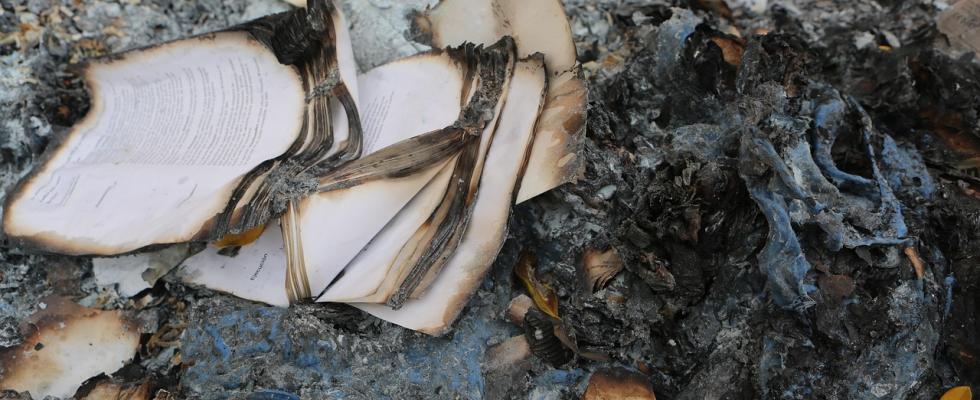
To facilitate safe rebuilding, toxic debris and materials left from the aftermath of the fires, including ash and unstable structures, have been cleared from affected sites. Several designated permitted municipal solid waste landfills across multiple counties — Los Angeles, Kings, Orange, Riverside, San Bernardino, and Ventura — obtained special emergency approval to receive fire-related ash and debris. Phase I of cleanup included removing hazardous household materials and bulk asbestos materials by federally hired cleanup crews under the US Environmental Protection Agency (EPA).
The US Army Corps of Engineers (USACE), under the direction of the Federal Emergency Management Agency (FEMA), is conducting Phase II of cleanup, including removing fire ash and debris from the upper three to six inches of topsoil under burned structures. This process is estimated to take a year to complete. USACE has estimated that approximately 4.25 to 4.5 million tons of fire-damaged debris, not including vehicles and trees, will be removed, almost half of the amount of waste the entire Los Angeles County produces in one year.
Water minimizes dust during the debris removal operations to ensure public and worker safety during cleanup operations. Contractors entering the debris removal areas must wear Tyvek suits and half-face respirators, and have been conducting real-time perimeter air monitoring adjacent to work locations to ensure dust concentrations remain below human health risk action levels. However, over the past seven years of California wildfire events, FEMA has more recently opted not to conduct post-cleanup soil testing as explained below, raising concerns about potential lingering toxins.
Policy Changes and Environmental Exemptions
As of May 2025, the City of Los Angeles is issuing rebuilding permits, and State and local laws do not require soil testing to meet certain requirements before rebuilding. At the Federal level, FEMA maintains that removing the upper three to six inches of soil adequately eliminates fire-related contamination, arguing that deeper pollutants stem from pre-existing contamination. Therefore, FEMA has not participated in funding soil testing on properties impacted by fires over the past seven years due to California wildfire events.
Further, in response to urgent rebuilding needs, Governor Gavin Newsom issued an executive order that suspends CaliforniaEnvironmental Quality Act (CEQA) and California Coastal Act requirements for certain rebuilding projects involving the repair, restoration, demolishing, or replacing of properties or facilities damaged or destroyed by the wildfires. CEQA requires local and state agencies to identify and mitigate the environmental impacts of their work. The California Coastal Act, which made the California Coastal Commission permanent, lays out regulations for coastal development and protection.
The Role of Soil Testing
Historically, soil testing follows major wildfires to detect residues of hazardous concentrations of metals such as arsenic, cadmium, and lead, asbestos, as well as polyaromatic hydrocarbons (PAHs) formed during the incomplete burning of organic matter, and the production of dioxins when chlorinated materials such as vinyl flooring or PVC pipes burn. Further, outdated electrical wiring and appliances in older homes could contain materials such as polychlorinated biphenyls (PCBs). Exposure to these compounds in ash that can blend into the soil can lead to health effects such as cancer, respiratory problems, immune system damage, and reproductive and developmental health issues. Past fire events, including the 2018 Camp Fire in Northern California and Woolsey Fire near Malibu, revealed that many properties retained excessive heavy metal concentrations even after initial cleanup, necessitating further remediation.
Balancing Rapid Recovery with Public Safety
While displaced residents and officials urgently advocate for swift reconstruction, environmental advocates stress the importance of ensuring long-term safety. Although the Los Angeles County Department of Public Health has recently launched a free soil testing program for residents in and downwind of the Eaton burn area to check for lead contamination, the soil testing does not include other constituents of concern that can present health risks or be present in hazardous concentrations. The lack of comprehensive soil testing can raise concerns about potential exposure to airborne toxic dust and residues in the soil, which can pose significant health risks to future residents and workers. Achieving a balance between expedited recovery and environmental safeguards remains a critical challenge in California's wildfire response.
Although FEMA has determined that removing the upper three to six inches of soil beneath fire debris eliminates fire-related contamination that could pose a threat to public health and safety, for further verification of the complete removal of hazardous materials, a qualified environmental consultant can complete soil sampling and analysis after debris removal efforts are complete to determine the type and concentrations of hazardous materials that may still be present. Note that pre-existing contamination from other sources besides the fires may have already been present prior to the fires, for which it appears that FEMA is seeking to avoid in federal cleanup efforts. Nevertheless, soil sampling efforts will reveal whether constituents of concern are left in place at hazardous concentrations and/or concentrations that pose a health risk. In that case, a contractor with the proper training, such as a State Contractor's license with a hazardous substance removal and remedial actions certification (i.e., HAZ certification), can safely remove and dispose of these materials. Disposal companies should transport these materials to facilities licensed to accept these materials. Your environmental consultant can assist with proper disposal. After completing the cleanup, your environmental consultant can collect soil samples to verify that the cleanup efforts successfully removed contaminated material to ensure the continued safety of workers, residents, the environment, and others.