

By Cristobal Ramirez, SCS Engineers
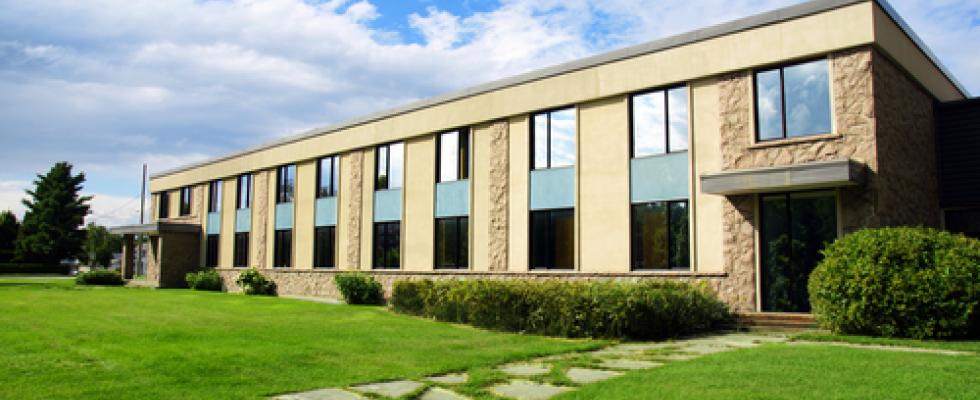
As cities recover from the seismic shifts triggered by the COVID-19 pandemic, one reality has become clear: many office buildings across the country remain largely unused. The rise of remote and hybrid work has left urban cores quieter, emptier—and full of potential.
In response, adaptive reuse is gaining momentum to transform underutilized office buildings into much-needed housing. This strategy addresses both the housing crisis and the revitalization of downtown areas. However, adaptive reuse presents real-world challenges that demand strategic planning and environmental vigilance.
Confronting Hidden Environmental Threats
Many commercial buildings—especially those built before the 1980s—contain hazardous materials such as asbestos, lead-based paint, and polychlorinated biphenyls (PCBs). These substances pose serious health risks during renovations and after occupancy.
Vacancy further worsens environmental issues. When buildings sit unused and unmaintained, mold growth and poor indoor air quality often result. According to the Environmental Protection Agency (EPA), mold exposure can trigger respiratory problems and long-term health impacts, making remediation essential before any residential occupancy (EPA, 2024).
Before beginning any conversion, developers must conduct thorough environmental assessments. These evaluations screen for potential contaminants early, allowing for safe, compliant, and cost-effective project planning.
Structural and Zoning Roadblocks
Adaptive reuse does more than renovate—it reimagines a building’s entire purpose. Most office spaces feature deep floorplates, limited natural light, and centralized heating, ventilation, and air conditioning (HVAC) systems, which complicate conversion to residential use.
To meet residential standards, developers retrofit these structures with new plumbing, electrical systems, and windows. These upgrades often involve high costs and technical complexity. A 2023 Urban Land Institute (ULI) report identified these structural issues as major barriers to successful reuse (ULI, 2023, pg. 8 and 20).
Zoning regulations create additional hurdles. Many cities continue to enforce strict separations between commercial and residential zones, delaying project approvals. However, some municipalities—like Chicago and San Francisco—have begun updating zoning codes to encourage these conversions (Design Cost Data, 2024).
Strategies for Risk Mitigation
Despite the obstacles, adaptive reuse remains viable when developers apply the right strategies. Environmental due diligence—including Phase I and Phase II site assessments—helps quantify risk and determine the scope of necessary remediation. The American Society of Testing and Materials (ASTM) standards provide a reliable framework for identifying contamination and ensuring regulatory compliance (ASTM International, 2021).
Proactively engaging with local regulators can also ease the permitting process. Developers who collaborate early with planning departments, environmental agencies, and public health officials create transparency and build support for their projects.
On the financial side, smart developers plan for risk. They secure environmental insurance, set realistic remediation budgets, and explore financing tools like tax incentives and brownfield redevelopment grants. According to McKinsey & Company, creative public-private partnerships can further reduce costs and accelerate progress (McKinsey, 2024).
Building Smarter, Greener Spaces
Sustainability plays a central role in adaptive reuse. Developers who install energy-efficient systems, water-saving fixtures, and renewable energy sources protect the environment and boost long-term property value and appeal.
Projects that earn green certifications like ‘Leadership in Energy and Environmental Design’ (LEED) signal a strong commitment to sustainable building practices. These buildings often attract higher rents, lower utility costs, and environmentally conscious tenants (LEED, 2024).
Charting a Sustainable Future for Cities
The pandemic reshaped how we live and work—and now, it’s reshaping our cities. Adaptive reuse offers a visionary yet practical solution: transform yesterday’s offices into tomorrow’s homes.
By committing to sustainable design, addressing environmental risks, and creatively navigating zoning and investment strategies, developers can help cities evolve into more livable, resilient communities. The journey may be complex, but with innovation, collaboration, and a focus on smarter building, adaptive reuse can lead the way into a new era of urban revitalization.
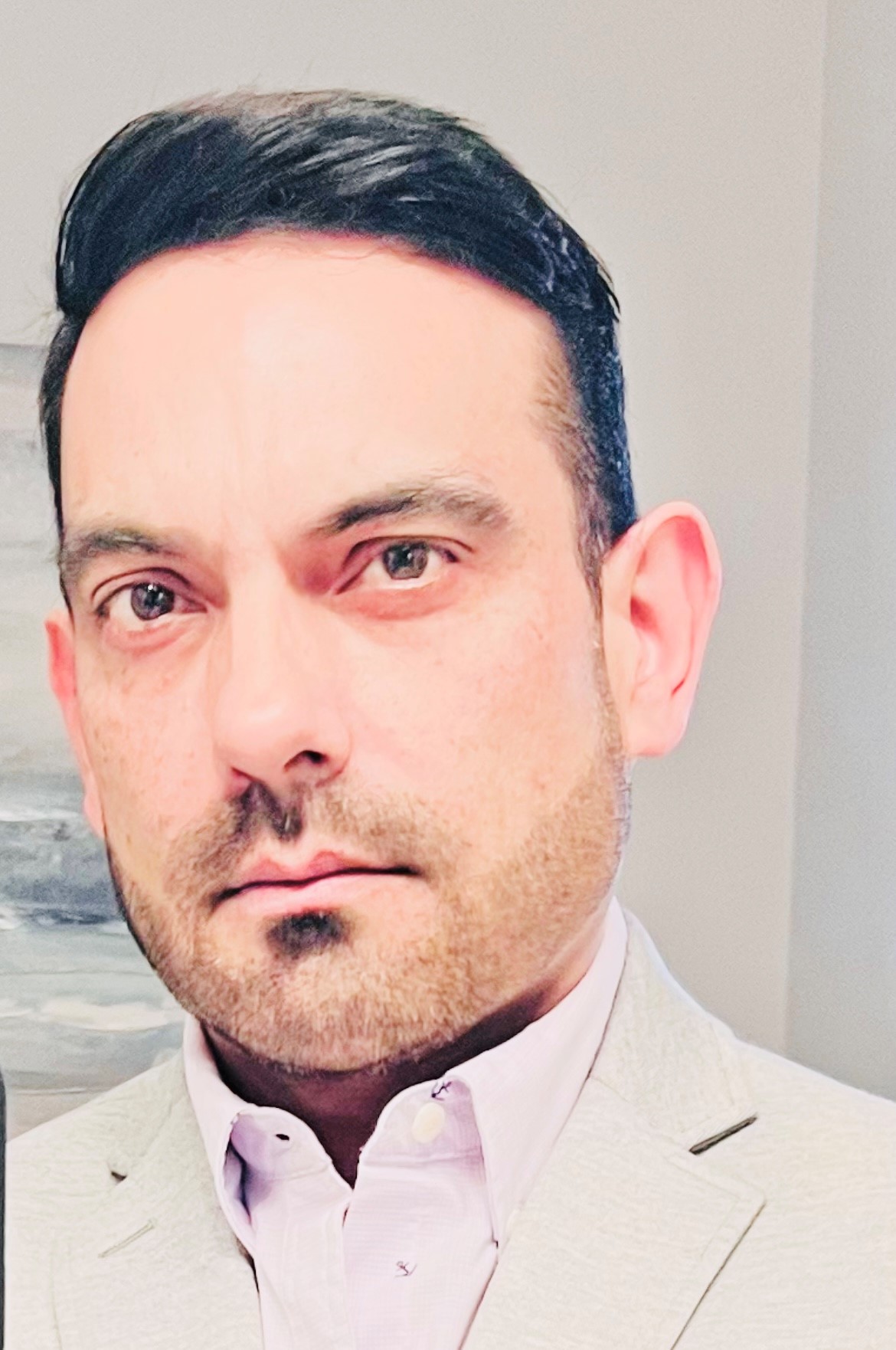
Cristobal Ramirez is an Environmental Consultant at SCS Engineers. He can be reached at [email protected].