

The San Jose City Council will vote next Tuesday on a set of controversial proposals put forward by Mayor Matt Mahan. Both plans — one addressing homelessness and the other concerning council member compensation — have reinforced Mahan’s reputation as a reformer willing to challenge the status quo. But they’re also drawing sharp criticism from opponents who see them as potentially harmful and unjust.
Tying Council Member Pay to Performance
The first proposal would tie elected officials’ salaries to tangible results on matters like crime and homelessness. Under Mahan’s “Pay for Performance” plan, 5% of the mayor and city council members’ salaries could be deducted if the city fails to meet a series of established goals.
The plan’s purpose is to increase government accountability and efficiency. It is supported by Vice Mayor Pam Foley and Councilmember Michael Mulcahy.
Other members of the council detest the idea. In an interview with the San Jose Spotlight, District 4 representative David Cohen went so far as to say “it’s straight out of the toolkit of authoritarian governments where they’re trying to quell dissent.”
Mahan’s critics question the fairness of linking leaders’ salaries to matters that may or may not be within their control. They also worry the proposal could incentivize leaders to pursue short-term policy wins over long-term goals.
Forcing Unhoused People Off the Streets
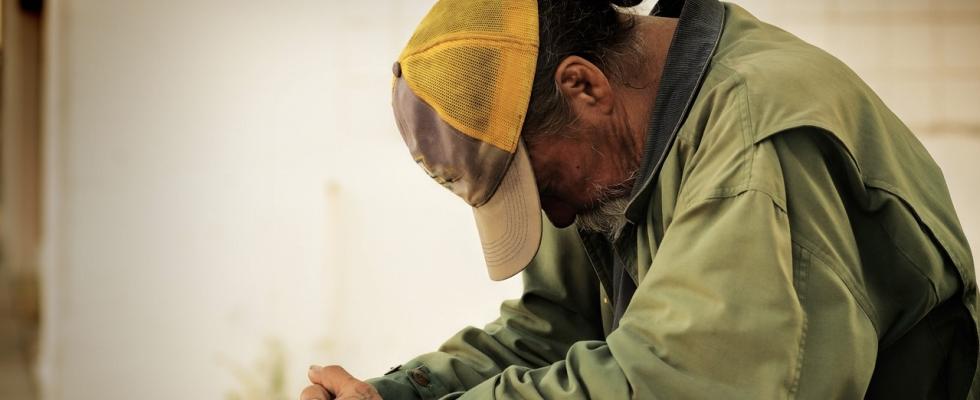
Mahan’s “Responsibility to Shelter” initiative seeks to eliminate homeless encampments by upping the ante for those living on the streets. The plan would allow authorities to arrest people who repeatedly refuse shelter (at least three times in an 18-month period). It also calls for the creation of a new seven-member outreach team to connect unhoused people with services and refer their cases to police if necessary.
Advocacy groups accuse the mayor of criminalizing homelessness. Mahan believes they’re ignoring an uncomfortable truth about a segment of the chronically unhoused.
“At some point, we have to acknowledge that a small subset of folks on our streets simply are unable or unwilling to accept and benefit from what the city can do, in which case we have to get them into a behavioral health court (or) a county run treatment center,” the mayor said at a recent news conference.
Mahan’s proposals may be polarizing, but they’re a response to the public’s intense desire for change. As the council prepares for Tuesday’s vote, the outcome could mark a defining moment in San Jose’s approach to some of its most pressing issues — and in Mahan’s tenure as mayor.