

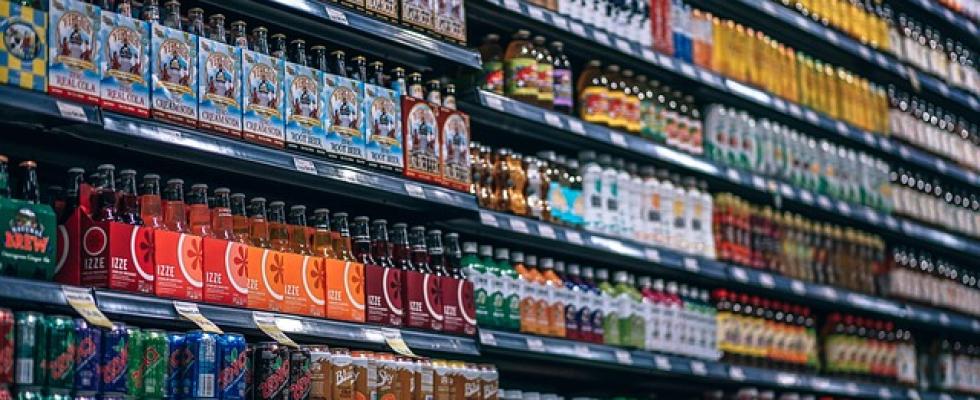
As of May 1, a 2-cent-per-ounce tax on sugary drinks is in effect for the City of Santa Cruz. The levy applies to non-alcoholic beverages containing at least 40 calories per 12 ounces and one or more caloric added sweeteners. Soft drinks, energy drinks, and sweetened teas and coffees will all be affected.
Voters approved the tax in November. Measure Z passed with 52.35% of the vote.
Santa Cruz is the first California city to implement a tax on sugary beverages since 2018. That year, Gov. Jerry Brown signed legislation which prohibits local governments from imposing new taxes on food or beverages until 2031.
“Santa Cruz is implementing a tax that violates a popular statewide ban on grocery taxes and that was opposed by a broad coalition of small businesses, progressive leaders, labor unions, and social justice organizations as an unfair burden on working families already struggling with record-high prices,” American Beverage Assn. spokesperson Steve Maviglio told the Los Angeles Times.
Councilmember Shebreh Kalantari-Johnson, who championed the measure, framed the political battle as a David vs. Goliath story. Big Soda was “trying to manipulate and strong-arm local voters," she said, and that wasn’t going to fly with residents. The American Heart Association was also behind the tax.
Supporters of the measure believe Santa Cruz is insulated from the 2018 law because it’s a charter city. Measure Z is almost certain to spark litigation.
Measure Z’s legality isn’t the only issue. Opponents say the tax will disproportionately affect lower-income communities at a time when people are already struggling with high prices.
The political dynamics will be interesting to watch. Beverage taxes have traditionally been supported by liberal progressives. Berkeley was the first city to pass a tax on sugary drinks back in 2014. The landscape has shifted with the ascent of the so-called MAHA (Make America Healthy Again) movement led by Health and Human Services Secretary Robert F. Kennedy Jr. and a host of online wellness influencers. So-called “nanny state” policies — a pejorative once lobbed against Democrats in coastal cities — are increasingly embraced by Donald Trump’s GOP. RFK Jr. has stated unequivocally that “sugar is poison.” He is pushing for a federal ban on synthetic food dyes and wants to disqualify unhealthy food from SNAP benefits.
If more charter cities follow in Santa Cruz’s footsteps, will Republicans push back?