

A potentially serious disease known as Valley Fever is on the rise across California. Since the year 2000, cases have shot up 1,200%, according to SFGate. As of July 31, the California Department of Public Health had already recorded more than 5,500 provisional cases. Last year’s infection count was 12,500. Contrast that with 2017 through 2023 when only 7,000–9,000 cases were reported annually.
What is Valley Fever?
California’s first case of Valley Fever was detected more than a century ago in the San Joaquin Valley. It’s an infection caused by the fungus, Coccidioides. The illness takes hold when the spores are inhaled and begin colonizing the lungs. Most people will experience little or no symptoms. Others become extremely ill with cough, fever or headache. A prolonged illness can lead to skin lesions, meningitis, and even death.
How the disease impacts a person or animal largely depends on the strength of their immune system. For that reason, it is especially important to limit exposure among children and babies.
“When children get this kind of very severe [Valley fever,] it’s very devastating,” Shaun Yang, head of molecular microbiology and pathogen genomics at UCLA, told SFGate. He added that a severe infection can spread to children’s bones, becoming a chronic condition. While uncommon, these children are "not going to live normally,” he said.
Other potentially high-risk groups include people of color and those who are immunocompromised or pregnant.
A Climate Change Phenomenon
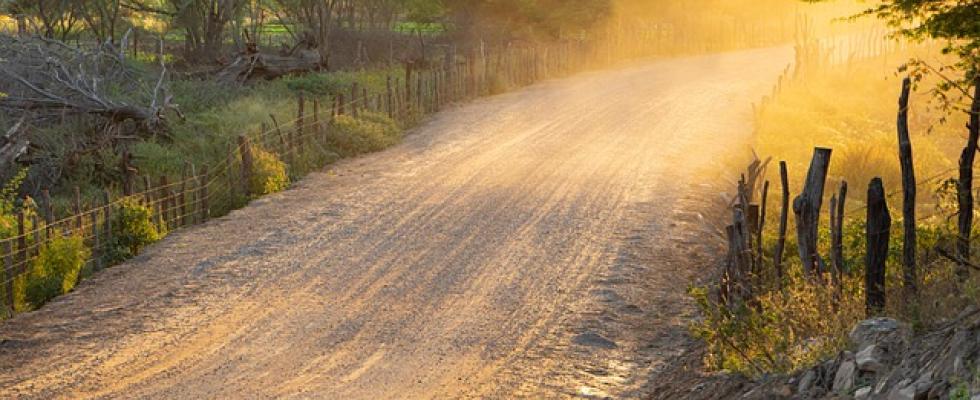
Wetter-than-usual winters followed by periods of extreme dryness have contributed to the rise in Valley Fever cases, experts say. During rainstorms, the fungi spread through the soil. Once the earth dries out, the spores lie in wait. All it takes is heavy wind, an earthquake, or construction to kick contaminated dirt into the atmosphere where it can be inhaled.
Valley Fever cases have always been highest in the Central Valley and Central Coast regions. However, “climate change may be impacting the distribution and burden of Coccidioides within California,” according to CDPH. Rates are now increasing in the Northern San Joaquin Valley and in Southern California, which suggests that the disease is expanding geographically.
Yang agrees that climate disruption is at the heart of Valley Fever’s rise.
“I think climate change is the main reason to explain this type of dramatic explosion,” he told SFGate. “I don’t think anything else can explain this type of phenomenon.”
While Climate change is a big part of the story, there is one other variable to consider — a streamlined reporting system has also led to increased detection.
How to Protect Yourself
The best way to prevent Valley Fever is to keep yourself away from dusty environments. Avoid activities that stir up soil and dust when possible. Wear protective gear — including a mask, goggles, and long sleeves — if you do plan to work or spend time in a dusty area.
Being mindful of high-risk conditions is also important. Dry, windy weather means higher risk of exposure. If possible, limit outdoor activity during dust storms or on very windy days. Keep windows and doors closed during dust storms or when there is nearby construction, and use a HEPA air filter to limit impurities indoors.